How to Get More Registrations for Your Events 15 Proven Tactics
15 proven tactics to boost registrations for your events so your hard work pays off.
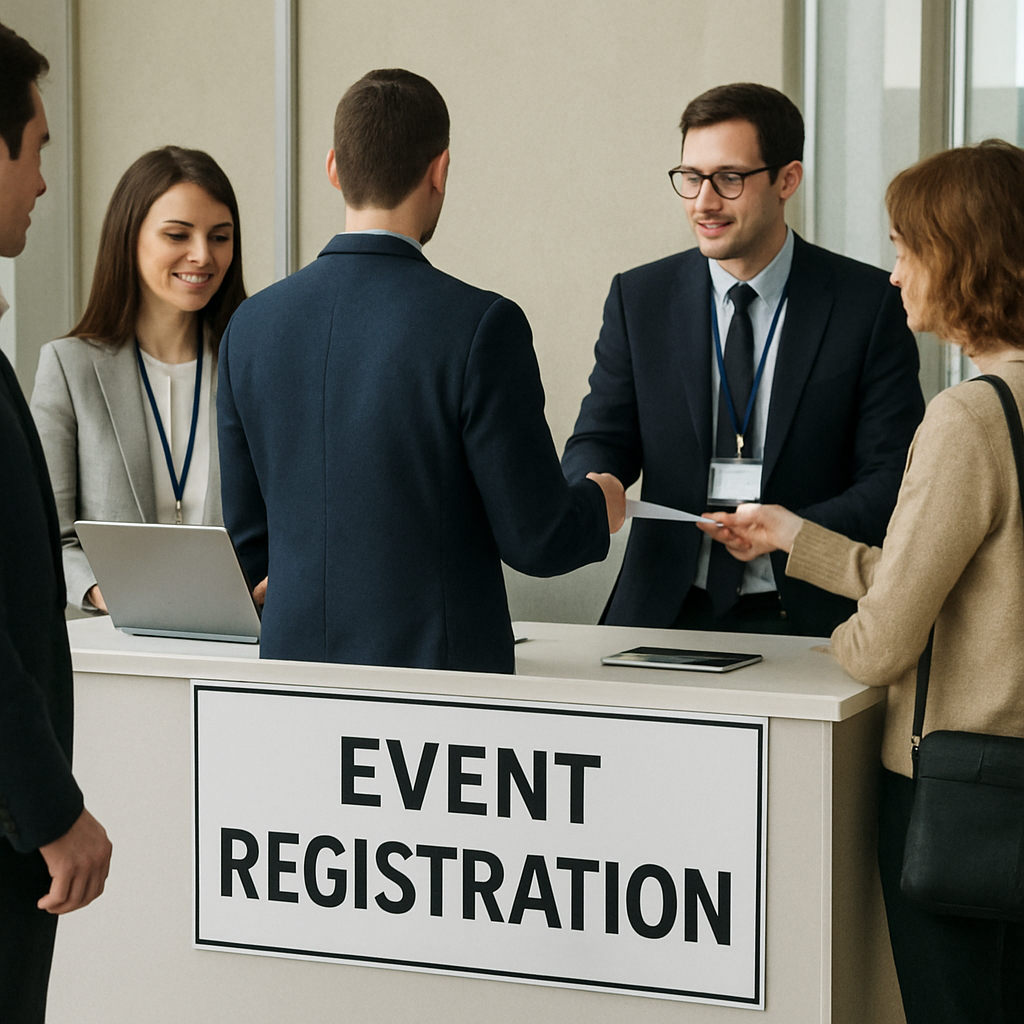
Organizing an event is a significant undertaking that involves numerous moving parts. From planning the agenda to securing the venue, every detail plays a crucial role in the event's success. However, perhaps the most critical aspect is ensuring that people actually show up. Maximizing event attendance starts with effective registration strategies. In this article, we will explore 15 proven tactics to boost registrations for your events, ensuring your hard work pays off and creating a memorable experience for all attendees.
Summary
This guide presents 15 tactics to increase event registrations, starting with a simplified, mobile-friendly signup process and secure, flexible payment options. It highlights multi-channel promotion—segmented email, social media, early-bird pricing, pre-event webinars—and an optimized website supported by content marketing, testimonials, and partnerships. Additional strategies include group discounts, retargeting ads, countdown timers, flexible/virtual ticketing, and data-driven iteration with feedback. The core themes are reducing friction, building trust and urgency, personalizing outreach, and meeting audiences where they are to convert interest into sign-ups.
Before diving into specific tactics, it's essential to grasp the foundational principles of event registration. These best practices set the stage for a seamless attendee experience and lay the groundwork for successful event promotion.
Simplify the Registration Process
A cumbersome registration form can deter potential attendees, leading to drop-offs even before the event begins. To prevent this, keep your registration process straightforward and user-friendly.
Reduce Form Fields: Limit the number of fields to only the most necessary information. Asking for too much information upfront can overwhelm users and lead to abandonment.
User-Friendly Interface: Use a clean, easy-to-navigate interface that guides users smoothly from start to finish. A streamlined process can significantly enhance user experience and encourage completion.
Mobile Optimization: Ensure that your registration forms are mobile-friendly. Many potential attendees will register using their smartphones, and a mobile-optimized form can prevent frustration and increase conversion rates.
Offer Multiple Payment Options
The ability to choose from various payment methods can significantly impact an attendee's decision to register. Offering flexibility in payment not only caters to diverse preferences but also simplifies the commitment process.
Diverse Payment Methods: Ensure your registration platform supports multiple payment methods such as credit cards, PayPal, and even direct bank transfers. This variety makes it easier for attendees to commit, regardless of their preferred payment method.
Secure Transactions: Prioritize security in your payment processes. Assuring attendees of secure transactions builds trust and can be a deciding factor in their decision to register.
Offer Payment Plans: For higher-priced events, consider offering payment plans. This can make the cost more manageable and increase registration rates, as attendees can pay in installments rather than a lump sum.
Boosting Event Registration with Effective Strategies
Now that you have the basics down, let's delve into specific strategies to enhance your event registration numbers. These tactics can help you reach a broader audience and encourage more people to register for your event.
Leverage Email Marketing
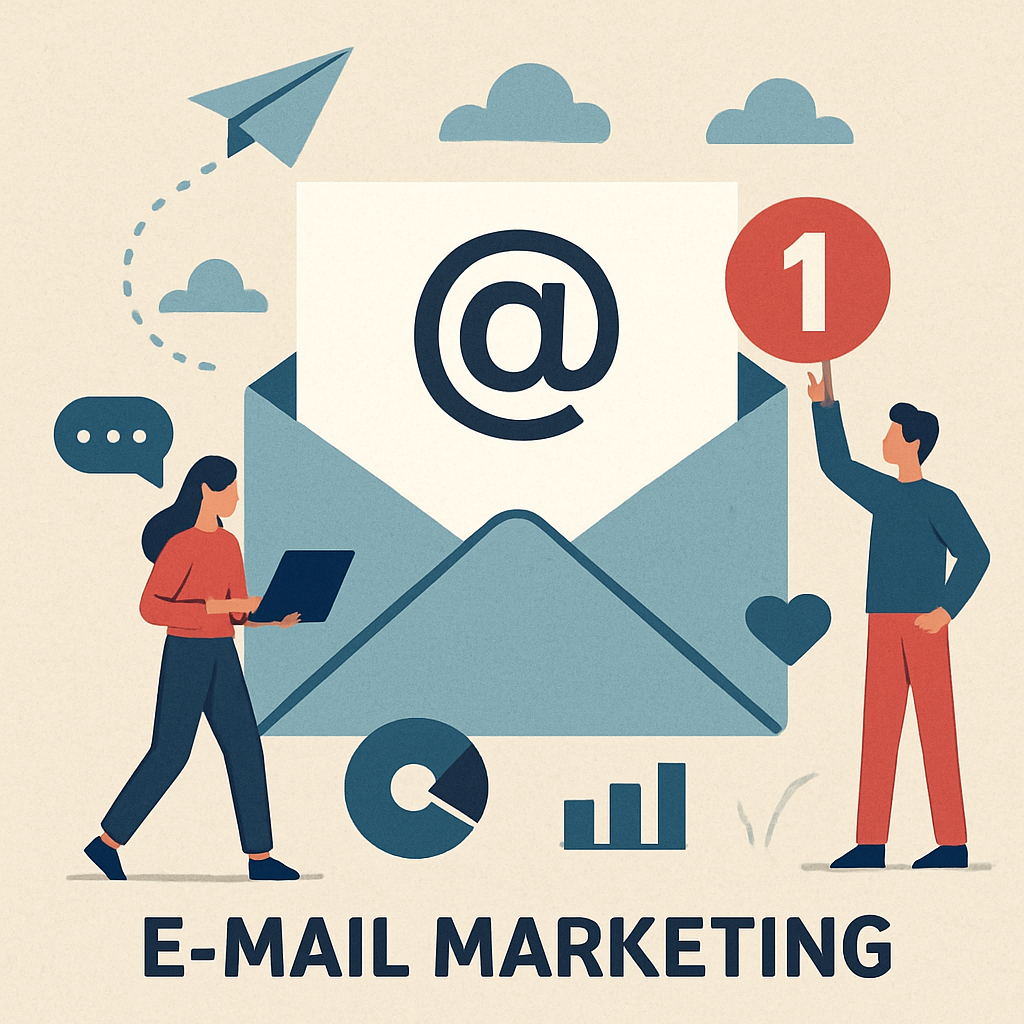
Email remains one of the most effective ways to reach potential attendees. By optimizing your email marketing strategy, you can drive higher engagement and conversion rates.
Segment Your Audience: Tailor your messages to different segments of your email list. This could be based on past attendance, industry, or interest areas. Personalized emails are more likely to resonate with recipients and encourage them to register.
Craft Compelling Subject Lines: The subject line is the first thing recipients see. Make it engaging and reflective of the event's value. A well-crafted subject line can entice recipients to open the email and learn more about your event.
Include Clear Calls to Action: Every email should have a clear, compelling call to action (CTA) that directs recipients to your registration page. Use action-oriented language and highlight the benefits of attending to encourage clicks.
Automate Follow-Ups: Implement an email automation system to follow up with recipients who haven't registered yet. Timely reminders can prompt them to take action and secure their spot at your event.
Utilize Social Media Channels
Social media platforms are powerful tools for event promotion. Here's how to maximize their potential and reach a wider audience.
Create Event Pages: Platforms like Facebook and LinkedIn allow you to create event-specific pages. Use these to share updates, engage with potential attendees, and provide all necessary information in one place.
Leverage Influencers and Partners: Collaborate with influencers or partners in your industry to extend your reach. They can share your event with their followers, increasing visibility and credibility.
Use Hashtags Wisely: Develop a unique event hashtag. Encourage attendees to use it when discussing the event, which can help create buzz and interest. This also allows you to track conversations and engage with your audience.
Engage with Interactive Content: Use polls, quizzes, or live Q&A sessions on social media to engage potential attendees. Interactive content can increase interest and encourage registrations by making the event seem more approachable and exciting.
Implement Early Bird Pricing
Offering a discount for those who register early is a tried-and-true tactic that can drive quick sign-ups and help gauge initial interest.
Create a Sense of Urgency: Highlight the limited availability of early bird tickets to create urgency. This can motivate potential attendees to act quickly to secure the discounted rate.
Offer Time-Limited Discounts: Set a deadline for the early bird pricing to encourage prompt decision-making. Clearly communicate the benefits of registering early to emphasize the value.
Promote Through Multiple Channels: Use email, social media, and your website to promote early bird pricing. Consistent messaging across different platforms can increase awareness and drive registrations.
Host Webinars or Pre-Event Sessions
Hosting a free webinar or session related to your event can spark interest and showcase the value of attending.
Showcase Event Highlights: Use these opportunities to highlight what attendees can expect from the event. Feature keynote speakers, unique sessions, or exclusive content to entice potential registrants.
Engage with Q&A Sessions: Allow potential attendees to ask questions during webinars, providing them with more information and addressing any concerns they may have.
Record and Share Sessions: Record these sessions and share them with a wider audience. This can serve as valuable content marketing material and reach those who couldn't attend live.
Optimize Your Event Website
Your event website is a central hub for information. Ensure it is optimized for conversions and effectively communicates the event's value.
Use Clear, Engaging Copy: Clearly communicate the event's value proposition. What will attendees gain from participating? Highlight key benefits and unique selling points to capture interest.
Include Testimonials and Past Event Highlights: Social proof can be a powerful motivator. Showcase testimonials or highlights from previous events to build credibility and trust.
Ensure Mobile Responsiveness: With many users accessing websites via mobile devices, ensure your event website is responsive and easy to navigate on all screen sizes.
Streamline Navigation: Make it easy for visitors to find the information they need. A well-organized website with intuitive navigation can improve user experience and increase the likelihood of registration.
Engage in Content Marketing
Create content that highlights the value of attending your event. This could be blog posts, videos, or podcasts featuring speakers or topics that will be covered.
Develop a Content Calendar: Plan and schedule content leading up to the event to maintain a consistent promotional effort. This helps keep your audience engaged and informed.
Feature Speaker Spotlights: Highlight key speakers or panelists in your content. Interviews, guest blogs, or video snippets can generate interest and showcase the expertise present at your event.
Share Behind-the-Scenes Content: Give potential attendees a glimpse into the event preparations. Behind-the-scenes content can humanize your event and create a connection with your audience.
Utilize Guest Contributors: Collaborate with guest bloggers or influencers in your industry to expand your reach. Their endorsement and unique perspectives can attract a wider audience to your event.
Partner with Industry Associations
Collaborating with relevant associations or organizations can expand your reach and credibility. They can help promote your event to their members, increasing awareness and registration numbers.
Identify Strategic Partners: Look for associations that align with your event's theme or target audience. Partnerships should be mutually beneficial and add value to both parties.
Offer Exclusive Benefits: Provide exclusive discounts or perks to members of the partner association. This can incentivize their participation and increase registration rates.
Collaborate on Content: Work with partners to create co-branded content that highlights the event. Joint efforts can amplify your message and reach a broader audience.
Engage in Cross-Promotion: Utilize the partner's communication channels, such as newsletters or social media, to promote your event. Cross-promotion can enhance visibility and attract more attendees.
Offer Group Discounts
Encouraging group registrations by offering discounts for multiple attendees from the same organization can significantly boost your numbers.
Promote Team Building Opportunities: Highlight the benefits of attending as a group, such as team-building and networking opportunities. Emphasize how attending together can enhance the overall experience.
Set Attractive Group Rates: Offer competitive group rates to encourage organizations to send multiple attendees. Clearly communicate the savings and value of registering as a group.
Facilitate Easy Group Registration: Simplify the process for group registrations. Provide a dedicated contact person or team to assist with any questions or concerns.
Leverage Word-of-Mouth: Encourage registered groups to spread the word within their networks. Word-of-mouth recommendations can be a powerful driver of additional registrations.
Advanced Event Registration Tips and Strategies

As you refine your strategy, consider these advanced tips to further enhance your registration efforts and ensure a successful event.
Use Retargeting Ads
People may visit your registration page but not complete the process. Retargeting ads can remind them of your event and encourage them to finalize their registration.
Customize Ad Messaging: Tailor your retargeting ads based on user behavior. For example, highlight specific sessions or speakers that align with their interests to increase relevance.
Implement Across Platforms: Use retargeting ads across multiple platforms, such as Google Ads, Facebook, and Instagram. This multi-channel approach increases the chances of reaching potential attendees.
Set Frequency Caps: Avoid overwhelming users with too many ads. Set frequency caps to ensure your ads remain effective without becoming intrusive.
A/B Test Ad Variations: Experiment with different ad creatives and messages to determine what resonates best with your audience. Continuous testing and optimization can improve ad performance and drive more registrations.
Implement Countdown Timers
Create a sense of urgency with countdown timers on your registration page. Whether for early bird discounts or limited-time offers, this can motivate quicker decisions.
Highlight Key Deadlines: Use countdown timers to emphasize important deadlines, such as early bird pricing or registration cut-off dates. Clear visuals can prompt immediate action.
Display Prominently: Place countdown timers in visible areas on your website and emails. Ensure they are attention-grabbing and easy to understand.
Combine with Limited-Time Offers: Pair countdown timers with exclusive offers or bonuses to increase urgency. This combination can drive conversions and encourage prompt decision-making.
Update Regularly: Keep countdown timers accurate and up-to-date to maintain credibility. Inaccurate timers can lead to frustration and distrust among potential attendees.
Provide Flexible Registration Options
Offering flexibility with registration types caters to different attendee preferences and schedules, making your event more accessible.
Offer Different Ticket Types: Provide options such as full-day, half-day, or specific session passes. This allows attendees to choose what best fits their needs and availability.
Include Virtual Attendance Options: For hybrid events, offer virtual attendance options to accommodate those who cannot attend in person. This expands your potential audience and increases registration opportunities.
Allow Transferable Tickets: Permit attendees to transfer their tickets to others if they cannot attend. This flexibility can reduce hesitation and increase initial registration rates.
Promote Customizable Packages: Offer customizable registration packages that allow attendees to add extras, such as workshops or networking sessions. This personalization can enhance the attendee experience and increase perceived value.
Analyze and Adjust
Regularly analyzing your registration data allows you to identify patterns and areas for improvement. Be prepared to adjust your strategies based on insights gained.
Monitor Key Metrics: Track important metrics such as conversion rates, drop-off points, and engagement levels. These insights can inform your strategy and highlight areas for optimization.
Conduct Surveys and Feedback: Gather feedback from registrants and non-registrants to understand their experiences and preferences. Use this information to refine your registration process and promotional efforts.
Test and Iterate: Continuously test different strategies and tactics to determine what works best for your audience. Be open to trying new approaches and making necessary adjustments.
Benchmark Against Past Events: Compare your current registration performance with previous events to identify trends and opportunities for improvement. This historical context can guide your decision-making and strategy refinement.
Follow Up with Non-Registrants
For those who show interest but haven't registered, a gentle follow-up can nudge them to complete the process. Offer additional information or incentives to encourage sign-ups.
Personalize Follow-Ups: Tailor follow-up messages based on the recipient's previous interactions or expressed interests. Personalization can increase the likelihood of conversion.
Provide Additional Value: Offer exclusive content, such as a sneak peek of the event agenda or a special discount, to incentivize registration. Highlight the benefits of attending and address any potential barriers.
Use Multiple Touchpoints: Follow up through various channels, such as email, phone calls, or social media. This multi-touch approach increases the chances of reaching and converting potential attendees.
Set Up Automated Reminders: Use automation tools to send timely reminders to non-registrants. Automated follow-ups can efficiently keep your event top-of-mind and encourage action.
Conclusion
Increasing event registrations is not just about filling seats; it's about creating meaningful experiences that attendees will value and remember. By implementing these 15 tactics, you can enhance your registration strategies, ensuring your event's success. Focus on clear communication, engaging content, and strategic partnerships to draw in your audience and make your event the talk of the town. With the right approach, you can boost attendance and deliver an unforgettable event that leaves a lasting impression on all who participate.
Q&A
Question: What changes have the biggest impact on reducing registration drop-offs?
Short answer: Remove friction. Ask only for essential fields, use a clean, intuitive interface with clear CTAs, and ensure the form and site are fully mobile-optimized. Pair this with secure, flexible payment options (including plans for higher-priced events) so people can complete registration quickly and confidently.
Question: Which promotion channels should I prioritize to boost registrations?
Short answer: Lead with segmented email campaigns, then amplify via social media (event pages, influencers/partners, smart hashtags, interactive posts), an optimized event website (clear value, testimonials), and content marketing (speaker spotlights, behind-the-scenes). Partnerships with industry associations and retargeting ads round out a strong multi-channel approach.
Question: How can I create urgency without turning people off?
Short answer: Use genuine, time-bound offers: early-bird pricing with clear deadlines and limited availability, supported by accurate, prominent countdown timers. Pair urgency with value (bonuses or extras), keep messaging consistent across channels, and set frequency caps on ads to avoid fatigue.
Question: How do flexible registration options increase sign-ups?
Short answer: They meet attendees where they are. Offer varied ticket types (full/half-day, session passes), virtual attendance for hybrid access, transferable tickets, and customizable packages. These reduce hesitation around schedules and budgets and can be complemented by group discounts to encourage team sign-ups.
Question: What should I track to improve registration performance over time?
Short answer: Monitor conversion rates, drop-off points, and engagement. Collect feedback via surveys, A/B test messaging/creatives, and benchmark against past events. Use these insights to refine your form, offers, channels, and follow-up cadence iteratively.